
rectangular bathroom mirrors
Exploring the Nuances of Price Gate Valves A Comprehensive Overview Delving into the intricate world of fluid control systems, price gate valves stand out as one of the most indispensable components. Seasoned professionals in industries like oil and gas, water treatment, and chemical manufacturing often emphasize the critical role these valves play in regulating and isolating media flow in pipelines. This article seeks to enhance your understanding of price gate valves, drawing from expert insights and authoritative sources to provide a detailed exploration of their utility, functionality, and factors influencing their cost. Gate valves are designed to serve as isolating devices, ensuring that the flow of liquid or gas through a pipeline can be either fully open or fully closed. This specific characteristic makes them an essential tool for applications requiring complete isolation. Unlike other valve types, gate valves function by lifting a barrier—or 'gate'—out of the path of the media. This simple yet effective mechanism contributes to their widespread use and the varied price range observed in the market. Expertise in the domain underscores that the cost of a gate valve isn't a straightforward figure. Multiple factors contribute to the price range, reflecting the complexity involved in manufacturing and material selection. Common materials used in gate valve production include stainless steel, brass, and cast iron, each presenting a distinct price point and suitability for different environments. Stainless steel options are favored in corrosive environments due to their durability and resistance, though they are generally more expensive. Authoritative voices within the industry highlight design complexities such as size and pressure ratings as significant determinants of price. Larger valves require more material and more precise engineering, which understandably drives up costs. Additionally, gate valves used in high-pressure systems must ensure robust construction to prevent equipment failure, further influencing pricing. The manufacturing process plays a pivotal role in dictating the price point of gate valves . Valves produced using advanced techniques such as CNC machining guarantee higher precision and better quality but come at a higher cost. On the other hand, valves produced by less sophisticated methods may cost less but can present issues in terms of reliability and longevity. price gate valve The debate between selecting manual versus actuated gate valves also factors into pricing deliberations. While manual gate valves present a cost-effective solution for systems where automation isn't necessary, actuated valves—either electric or pneumatic—offer enhanced control and efficiency. This automated capability is ideal for complex systems with real-time control needs, albeit at a higher initial investment. Consumer experience often corroborates the importance of balancing upfront cost with long-term benefits. Opting for a cheaper, low-quality gate valve could lead to frequent replacements or repairs, thereby increasing total ownership costs over time. Conversely, investing in a higher-quality valve can result in fewer maintenance demands and greater system efficiency, proving its worth in the long run. An often-overlooked factor is the brand reputation, which significantly influences the perceived value and pricing of gate valves. Trusted brands with a history of delivering reliable products tend to command higher prices due to their established credibility and assurance of quality. Engaging with professional forums and seeking recommendations from industry peers can aid in navigating this aspect of purchasing. Navigating the intricacies of gate valve pricing requires a comprehensive understanding of both technical and market factors. Putting trust in established suppliers and leveraging professional expertise can aid in making informed purchasing decisions. By considering aspects such as the intended application, material composition, and operational environment, businesses can align their valve selection with both budgetary constraints and functional requirements. Combining insights from seasoned industry experts and authoritative research, this thorough exploration underscores the multifaceted nature of purchasing decisions in the realm of gate valves. Ultimately, mastering these nuances empowers businesses to invest wisely, ensuring operational efficiency and long-term success.
about
rectangular bathroom mirrors
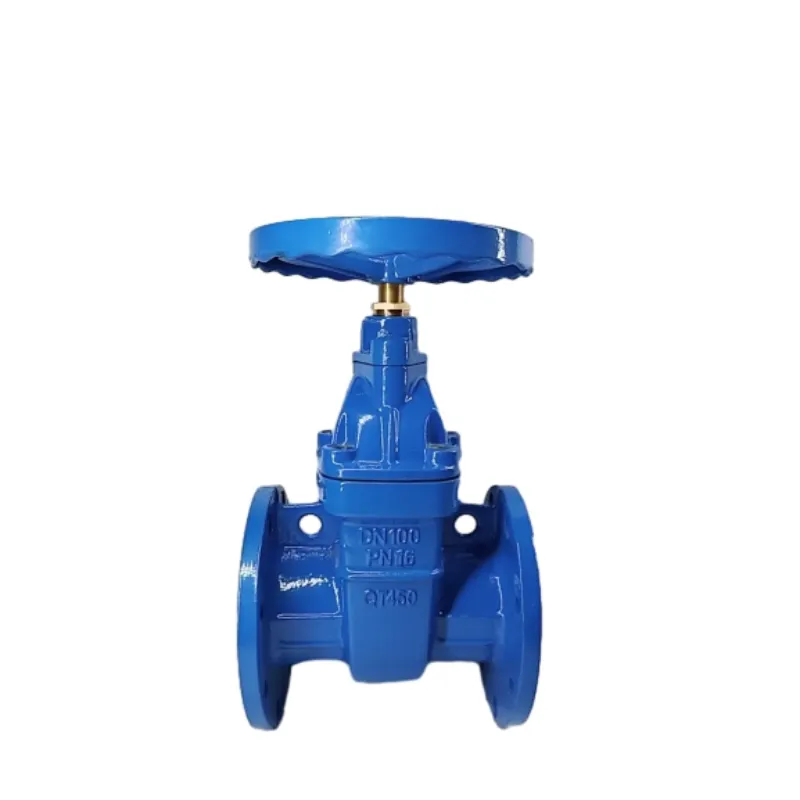
Understanding DN80 Gate Valves A Comprehensive Overview Gate valves are essential components in a wide range of piping systems, playing a crucial role in the regulation of fluid flow. Among the various specifications used in valve design, the term DN (Diameter Nominal) is crucial, indicating the nominal pipe size. In this article, we will delve into the specifics of the DN80 gate valve, exploring its features, applications, and considerations for selection and maintenance. What is a DN80 Gate Valve? Defined by the nominal pipe diameter of 80 millimeters (mm), a DN80 gate valve is specifically designed to control the opening and closing of fluid flow in a pipeline. The primary function of a gate valve is to provide full flow with minimal pressure drop, achieved through a wedge-shaped gate that can be raised or lowered within the valve body. This design makes it particularly suitable for applications where the valve is either fully open or fully closed, rather than used for throttling purposes. Key Features 1. Construction Material DN80 gate valves are typically constructed from a variety of materials including cast iron, ductile iron, stainless steel, and carbon steel. The choice of material depends on the application, as factors like temperature, pressure, and fluid composition play a significant role in material selection. 2. Sealing Mechanism Most DN80 gate valves employ a resilient seat design which ensures a tight seal. This reduces the chance of leakage, which is essential in applications where fluid loss can lead to significant operational inefficiencies or environmental hazards. 3. Operating Type Gate valves can be operated manually with handwheels, or automatically using actuators. The choice of operation often hinges on the specific needs of the system; for instance, larger installations may favor automation for efficiency and ease of control. Applications DN80 gate valves are widely used across numerous industries due to their versatility. Some common applications include gate valve dn80 - Water Treatment Plants Gate valves are integral to the operation of water distribution systems, allowing for the control of water flow and maintenance procedures. - Oil and Gas In oil pipelines, DN80 gate valves regulate the flow of crude oil and natural gas, ensuring safe and efficient transportation. - Chemical Processing The chemical industry often requires DN80 gate valves for handling various fluids, facilitating flow regulation while maintaining safety and integrity. Selection Considerations When selecting a DN80 gate valve, several critical factors should be taken into account 1. Pressure and Temperature Ratings The valve must be able to withstand the specific pressure and temperature conditions of the system. It is essential to check the valve's rating to ensure it is suited for the intended application. 2. Fluid Type Understanding the nature of the fluid flowing through the valve is crucial. For example, corrosive liquids will require a gate valve made from compatible materials to ensure longevity and reliability. 3. Installation Space The physical dimensions and orientation of the valve must align with the installation space available in the pipeline system, ensuring proper integration without requiring extensive modifications. 4. Maintenance Requirements Some gate valves may require more frequent maintenance than others, especially in high-pressure applications. Selecting a valve with lower maintenance needs can lead to cost savings and enhanced operational efficiency. Conclusion In summary, the DN80 gate valve is a vital component in various industrial applications, characterized by its ability to provide excellent flow control with minimal resistance. Understanding the features and benefits of DN80 gate valves, along with careful consideration of material, fluid type, and operating conditions, can lead to more effective systems that are both reliable and efficient. Whether in water treatment, oil and gas, or chemical processing, the right gate valve choice can significantly impact operational success.
-

High quality industrial productsagement

High quality industrial products
View Details -

Meet the diverse needs of customers

Meet the diverse needs of customers
View Details -

Strict quality control

Strict quality control
View Details -

Top raw materials

Top raw materials
View Details -

Trusted supplier

Trusted supplier
View Details
Our application



news and information
Wooden frame construction with truss plates and nails for added structural support.
Wood frame construction has been a popular building method for centuries, providing a versatile and
v block price
Understanding V Block Price An Overview In the ever-evolving landscape of digital currencies and bl
Válvula de puerta de 50 mm
Válvula de compuerta de 50 mm una solución eficaz para el control de fluidos La válvula de compuerta
 English